
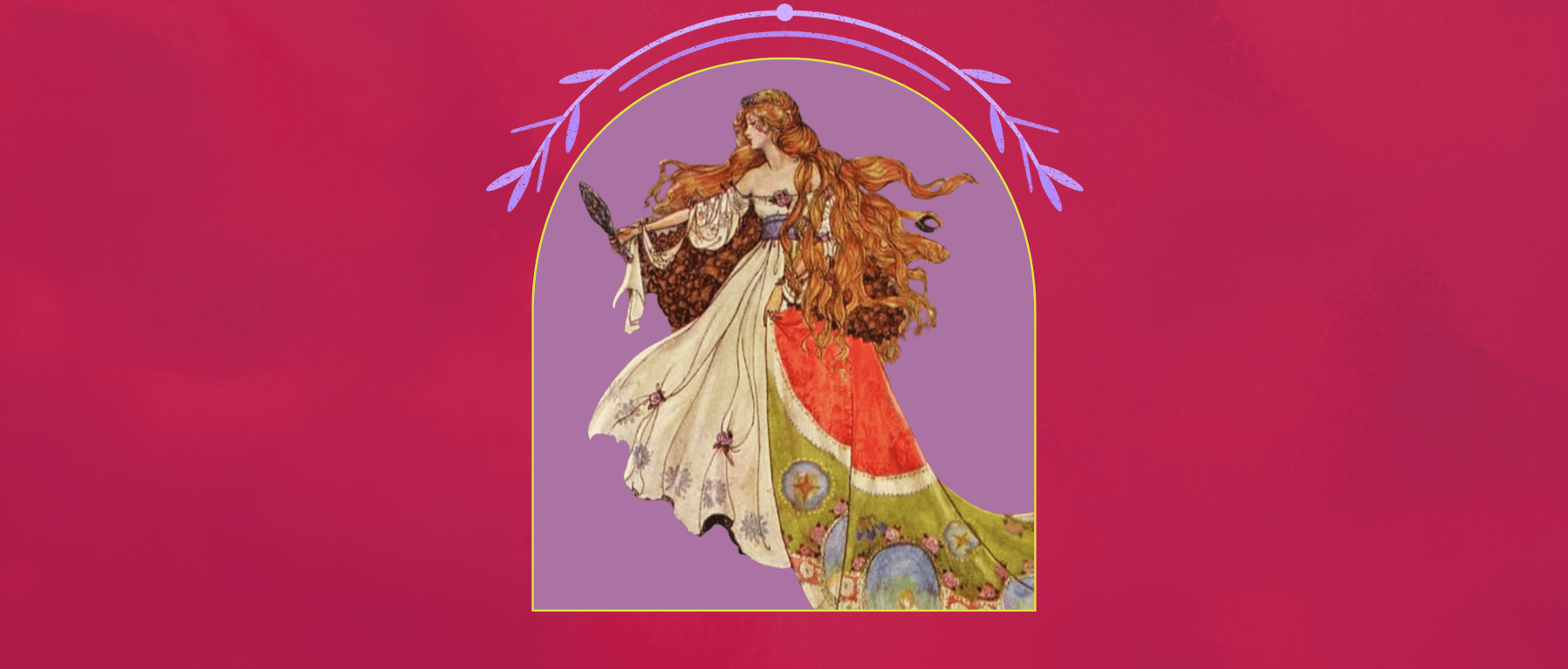
Historically, folklore, myths, and fairy tales were recorded by such luminaries as The Grimm Brothers and Hans Christian Andersen, meaning most of the tales we know today are presented almost exclusively from a male perspective. But what if they weren’t?
Tower
Maybe she had been at her loom, weaving a tapestry of the world she knew only in glimpses. Or perhaps she had been sewing her wedding gown with single-minded purpose, hoping, knowing that this day would come. Or was she busy plaiting straw into spun gold, her solitary tears becoming diamonds as they fell, the blood from her worn fingertips rubies?
He had come on the back of a huge swan, enchanted and mythic. Or was it that she had loosened her hair and allowed him to climb it? Maybe he had slain the beast that guarded the door and tricked the witch into turning her own magics on herself. It had been so many years now; she was no longer certain.
There was only one thing she truly did know, one thing she kept closely guarded within her heart as she sat alone in her chambers and faithfully stitched his standard while she watched him ride out to battle once more. At least with the witch, she had been eternally young.

Lettuce
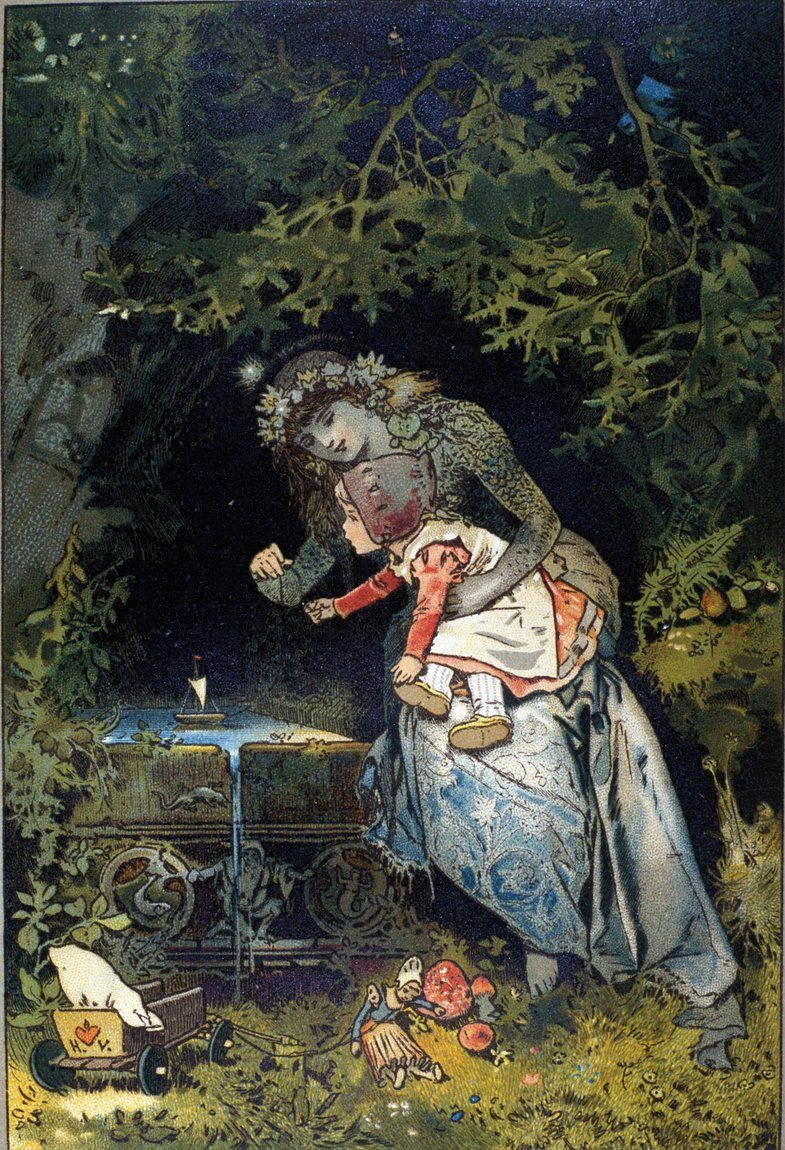
She never wanted anything from them. She just wanted to be left alone. She just wanted those fool peasants out of her life. But they always came. They came like thieves in the night. No, they were thieves in the night, ransacking her garden, her home. Or they came to her with impossible requests. They wanted spells. They wanted art. They wanted things whose consequences they couldn’t possibly fathom. So she struck upon an idea that would be so fearful, so repugnant, so inhuman they couldn’t possibly say yes.
“I will give you what you ask, but on one condition.”
She never wanted the baby. But how could she leave it with parents who would sell it for so little?
Gorgon
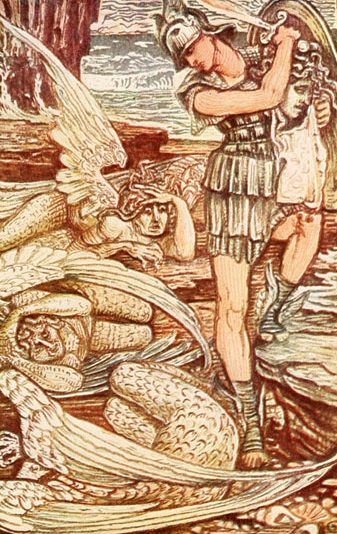
She was alone. The only sound to greet her was the effortless glide of her body against the stone, the hiss of the ocean below, and the restless murmur of her hair. She had always been alone. From birth, she was a thing reviled. A thing feared. From birth, she was a thing, and she had never been allowed to forget it. She could never forget. Everyone she had ever turned her gaze upon, in wrath, in hate, in tenderness, was still with her. She moved amongst them, touched each one. They would stay with her. They would never change, never fade. No matter what she wished in the stone recesses of her ageless, immortal heart, she would never be alone.
Siren
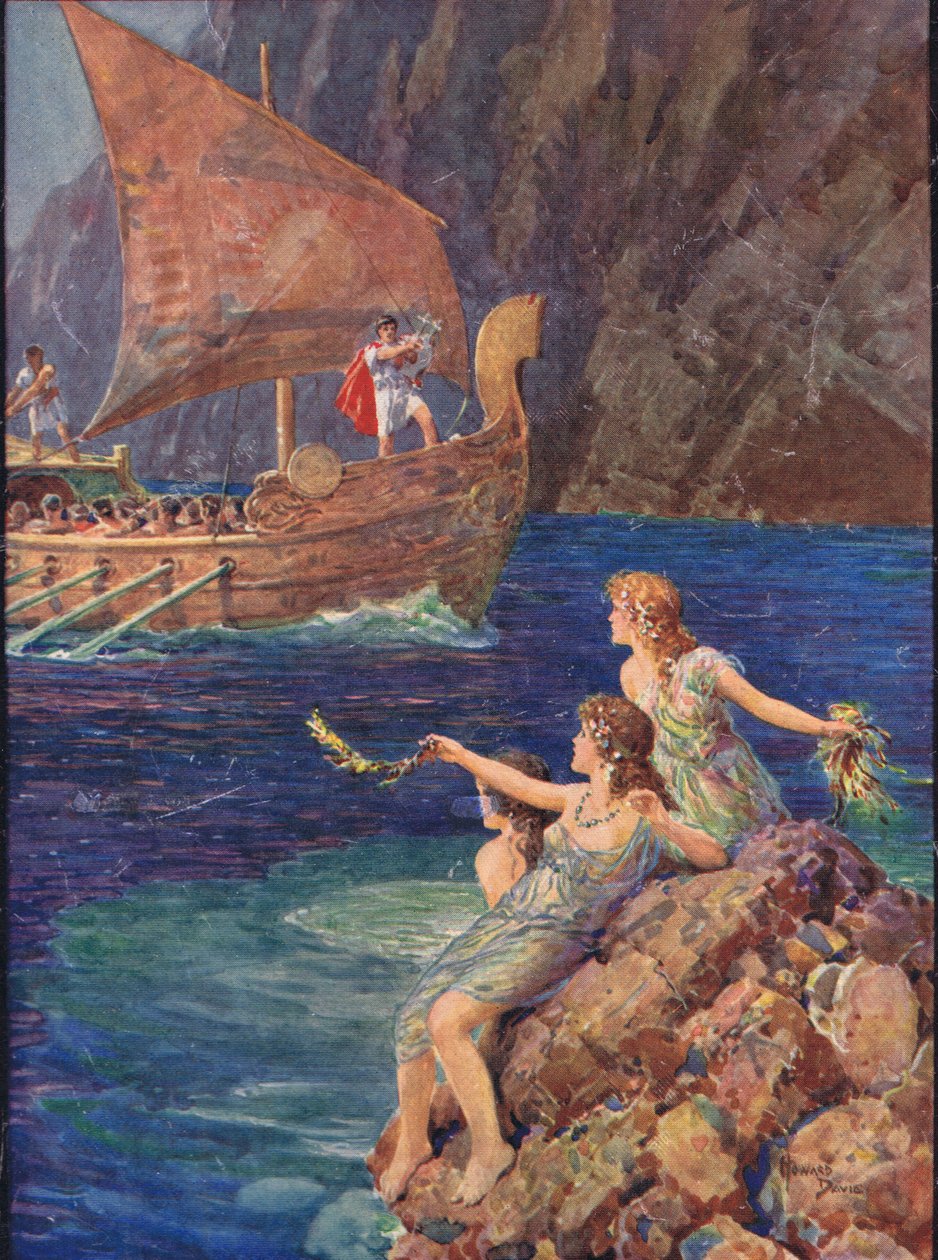
It wasn’t just the voice, though its violently beautiful lilt swelled within you like the sea, a life-giving force of destruction. It wasn’t just her beauty, though the luster of her skin shamed even the pearl that you had found while diving, that you had brought humble and hopeful to lay before your mother’s withered hands. “Here. Here. Look. We can sell it. We’ll buy you a coat. We’ll eat well.” It wasn’t even that she was the first woman you’d ever truly seen, though she made you understand, finally, finally, what a woman is; though she made you know what was bound hidden inside the neighbor’s daughter you’d loved only as long as your hands pressed against the curve of her hip, the pretty barmaid you kissed and left in tears.
It was, you realized, even as her nails gently caressed the skin of your throat, her very nature that had drawn you near: primal, unconquered, fierce, and delicate, the crux and the contradiction of her. It was, you realized, even through the unbearably exquisite pain of her teeth rending your flesh, that this was what you wanted.
Bundle of Twigs
The baby would gaze transfixed in contemplation at nothing for hours on end, or laugh uproariously at some unseen humor, capering like a moon-mad cat. It would fright and quiver in the brightest of day, yet would cause gleeful upheaval through the pitch of midnight. It was fiendishly clever. It built; it drew; it contrived; it sang (though it would not speak).
It was, however, not a hearty thing. It never took color no matter how long out of doors. It remained birch-white and sparrow-thin. It would not touch meat, but drank milk by the buckets-full and ate roses from the garden. Its eyes were pale and clear, hinting at green or blue. One could never tell which: laughing brook or roaring sea. Its hair was the color of the moon and grew like spring grasses, up and out.
She knew, had always known, it was not her baby. Yet she could not bring herself to leave it on the moor, run a red-hot poker down its throat, bury it crying in salted earth. No, it was not her baby. But the baby was hers.

Leanan Sidhe
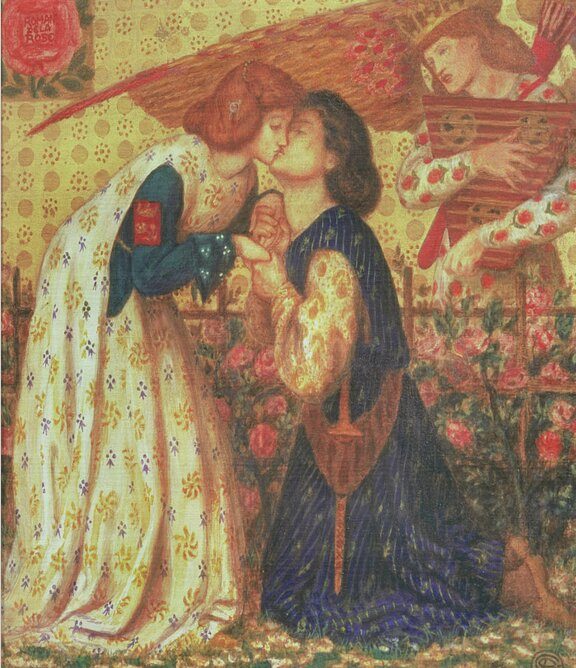
He tasted like sunrise. It was a golden, delicate, honey-wine flavor, warm and soothing. It was at once decadent and innocent, naive and wise.
Whence from sanguine lips the sound of glories
untold issue forth. My fervent silence
is met by unfathomable stories,
and I weep like a sinner at penance.
The sound of the quill scratching at parchment was lyrical. His soft breath as he labored over turns and phrases was an echo of the divine, which he mimicked unconsciously in his excruciating, satiating struggle to create.
No music can capture my veiled muse,
whose laughter I hear in my waking dreams.
No matter the medium I choose,
she remains to me forever unseen.
He was a fountain spring, and what flowed from him was the inimitable, enviable, ambrosial genius so many sought futilely. He was delicacy and depth. He was intoxicating.
I can hope for nothing more than to write
beauty into a shape corporeal,
so that I, her unworthy acolyte,
might be allowed the inconceivable.
He was not gifted, for nothing is ever given without its due price.
Until that moment I cannot find rest,
and will seek her unto my final breath.

Hagoromo
The robe was less than a relic when the tennyo finally held it again. The feathers had all but fallen away, their quills like skeleton fingers gripping with love’s desperate malice the once-fine silk. The edges and seams frayed and unfurled, held together by tenacity–by hope. The embroidery unraveled stitch by stitch, losing its shape, its form, its meaning, itself. Yet when the tennyo pulled it about her shoulders, bent and frail with age and care, for a moment, an eyeblink, it was beautiful again. The lacquered threads were like sunrise over the sea, the feathers clean and gentle and whole, unassuming as wind-fallen sakura. For a moment, an eyeblink, the tennyo was beautiful again: beautiful in the way she was meant to be. Pure as grief, soft as jade. It was only a moment.
Then, they were gone. Then, she was a bird. Then, she was home.
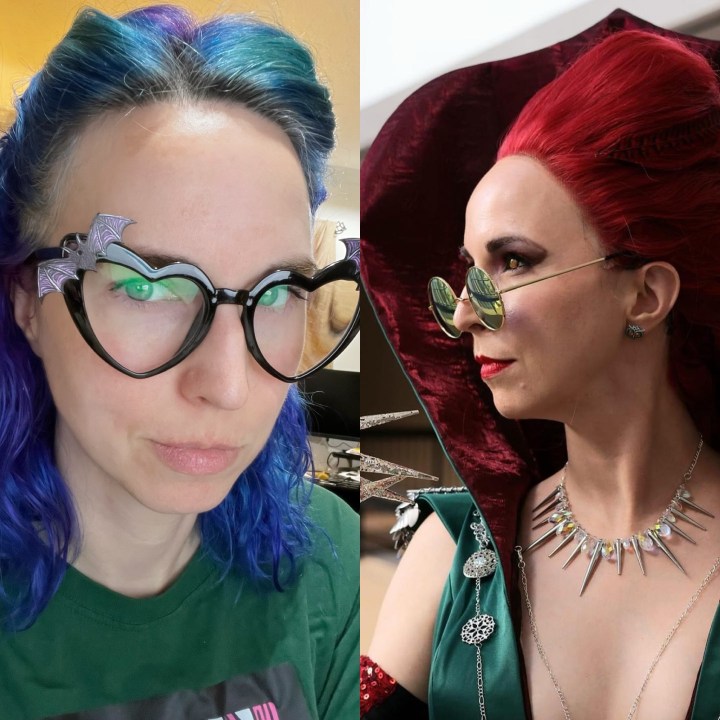
Becky Courington is an award-winning author and scholar who technically earned three degrees, but SMU insisted you can’t triple major in English no matter how many credit hours you have in different areas of focus, so she officially has only one. Her hobbies include sewing, sculpting, writing, acting, and starting kitchen fires, and she wants to know if you’re registered to vote.
 ladyfairemagazine.com