

How many of us have girls, or were girls, who gathered treasures like magpies when children? Shiny rocks, downy feathers, Polly Pockets… items that captured our fancies and filled our pencil boxes and Caboodles. But how did we carry them until we stashed them safely at home? We stuffed what we could in our minuscule pockets while our boyish pals stuffed their deep pockets with twice as many finds. Did you ever wonder why?
‘Men have pockets to keep things in, women for decoration.’ – Christian Dior
For a long time, we girls have been unable to fit anything in our pockets. We are only now reaching an era when we are seeing real change in feminine wear. More and more dresses have big, roomy pockets, and although the front pockets of our jeans are still several sizes too small, at least our back pockets can fit a cell phone and wallet reasonably. While it might be fun to put on our tin foil hats and talk about witches and purse company conspiracies, how did we really end up with decades of pocket erasure? The real answer may surprise you.
Real Pockets for the Working Woman
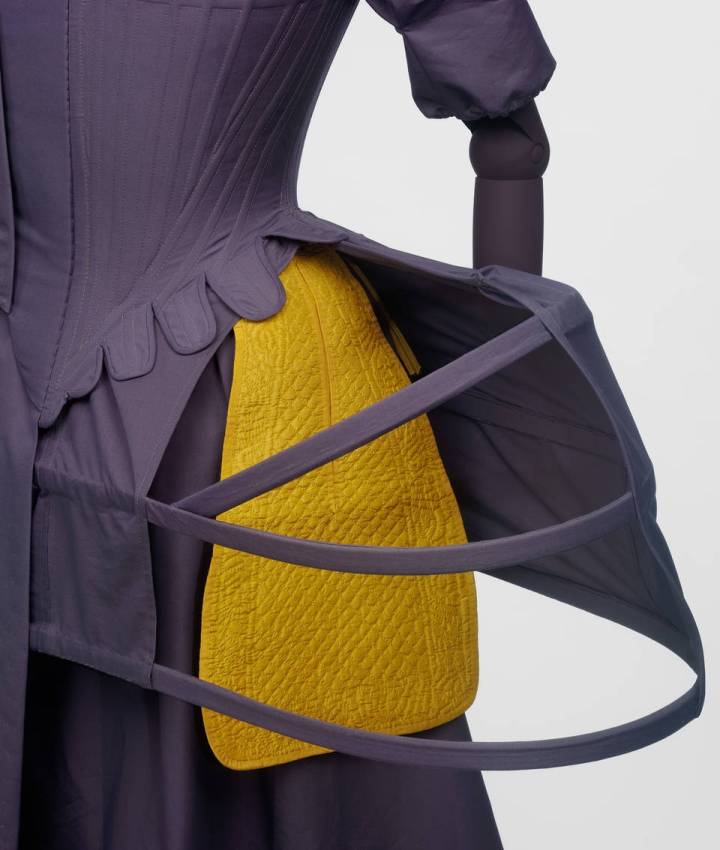
Pockets themselves have been around for hundreds of years, with the first documented pocket appearing around the 16th century as small pouches sewn into clothing. Back then, pockets were mainly used by men to carry practical items like coins, tools, keys, tobacco, and perhaps a quantity of gin. You know, the essentials. However, they would not become common in women’s clothing until the 17th century, and then as its own detachable garment. It would situate itself under the many layers of fabric women wore, secured to a band that tied at the waist.
In the days when people often shared bedrooms and household furniture, one needed a private, safe place for small personal possessions, especially for the working class women of the day. Tie-on pockets were the practical option for most, giving them both flexibility and offering convenience for the wearer. These pint size wonders allowed women that kept shops, stalls, dairies, taverns, or did any form of paid work,to have their small tools close at hand. Such tools included penknives, bodkins, pencils, corkscrews and even spectacles. Ever versatile, they could be put on and taken off at will, popped in a drawer or hung on a chair.
Pocket Girlie or a Purse Girlie?
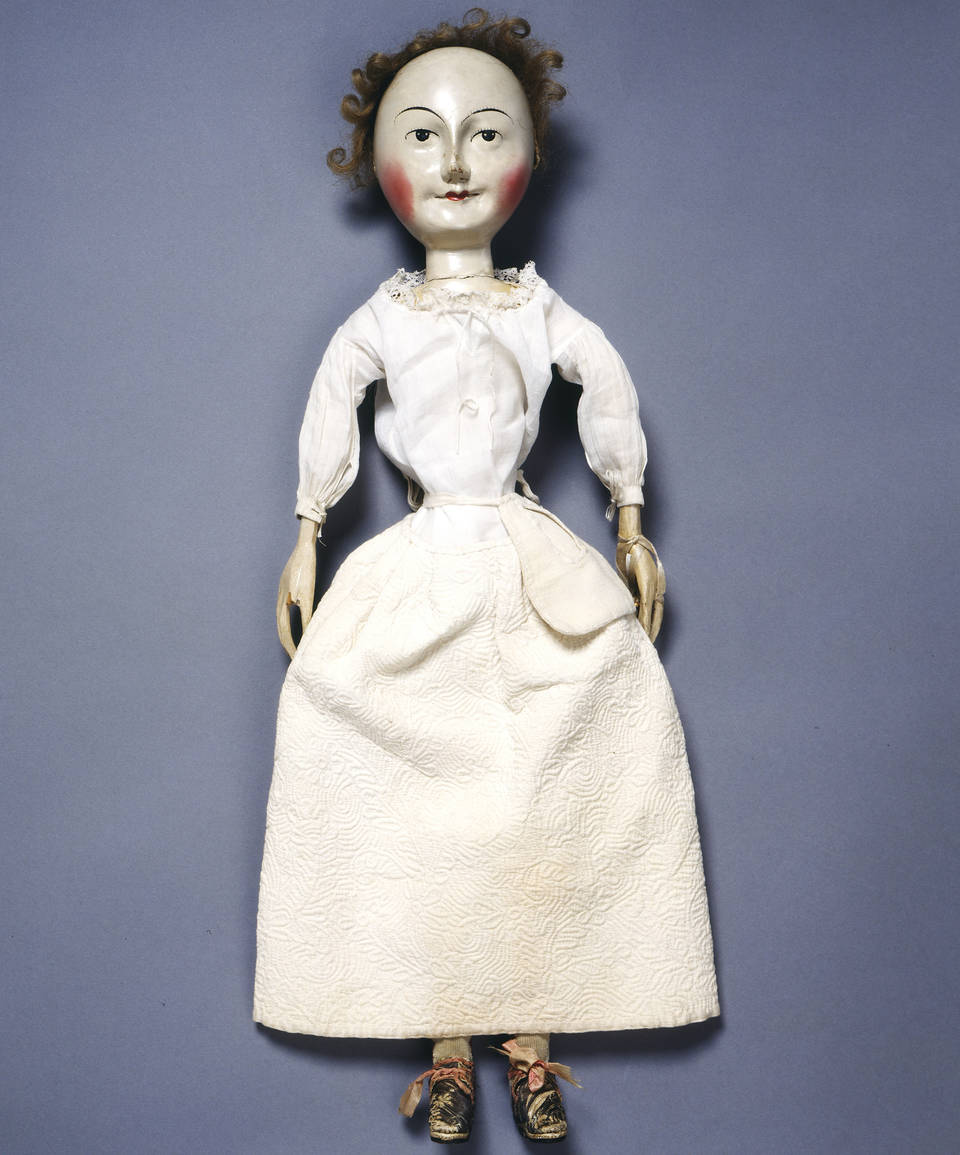
Contrary to popular belief, bags and pockets for women had long coexisted, acting as complementary rather than competing. A great example of this once symbiotic relationship is The Lady Clapham doll (1690 – 1700) in the Victoria and Albert Museum collection. The doll has sets of clothing and finely-crafted accessories for different occasions, among which is a tie-on linen pocket, a quilted petticoat with integrated pockets, and a gaming draw-string bag in which to keep her gambling money. Lady Clapham’s wardrobe encourages us to think of these fashion items as serving different purposes. But this peaceful coexistence would soon change.
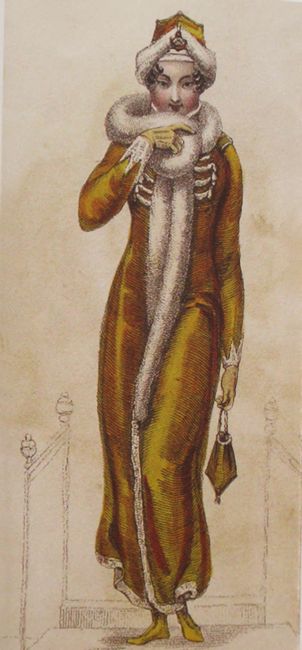
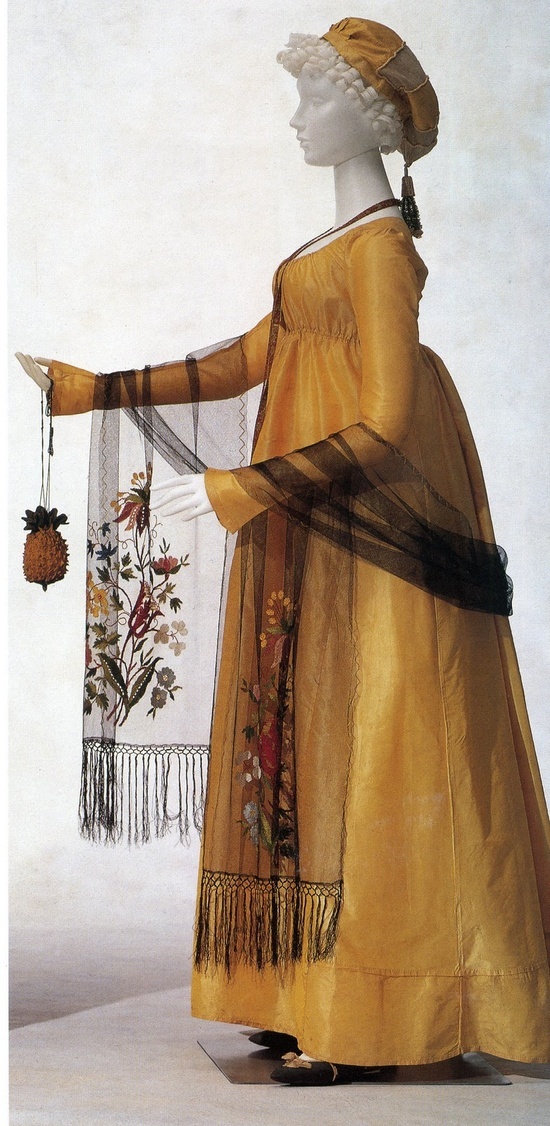
When full petticoats and wide hoops were no longer in style, the sleeker, high-waisted gowns that replaced them did not allow for any form of pocket due to how much it would alter the shape of a gown and the smooth silhouette it created. Instead, a decorative purse, known then as a reticule, came into use for women, along with the chatelaine for the working woman. Funnily enough, tie on pockets endured until the late 19th century.
The Great Disappearing Act of the 20th Century
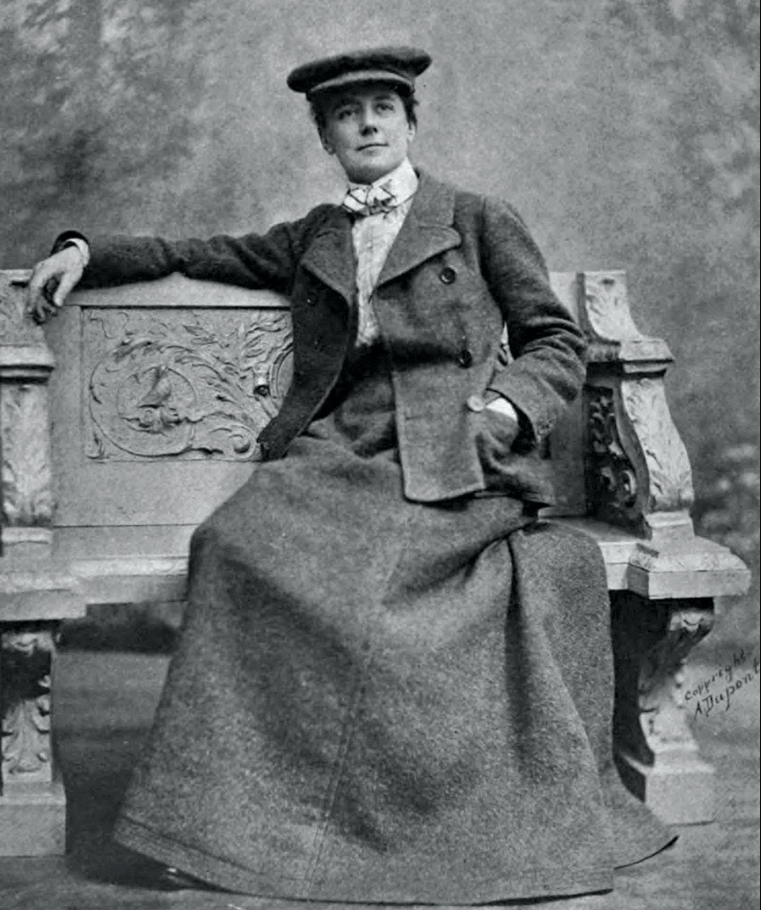
As the centuries progressed, pockets became the Harry Houdinis of the fashion world; disappearing and reappearing at the whim of social norms and of the designers of the time. For example, this garment makes a triumphant return during the Industrial revolution for its practicality and usefulness to women entering the workforce, only for them to disappear again later in the 19th century. As women fought for equality in 1910, having pockets became a revolutionary act – the suffragette suit, with its conspicuous pockets, was designed in 1910 by the American Ladies’ Tailor Association for this reason. The booming post-war era ushered in yet another round of ambivalence towards practical pockets in women’s clothing, as designers of the time believed them to lack the proper elegance for their expansive, aesthetic works of art. Essentially, as fashion’s obsession with the woman’s body and its size increased, any added material bulk was considered undesirable.
Saved by the Cellphone
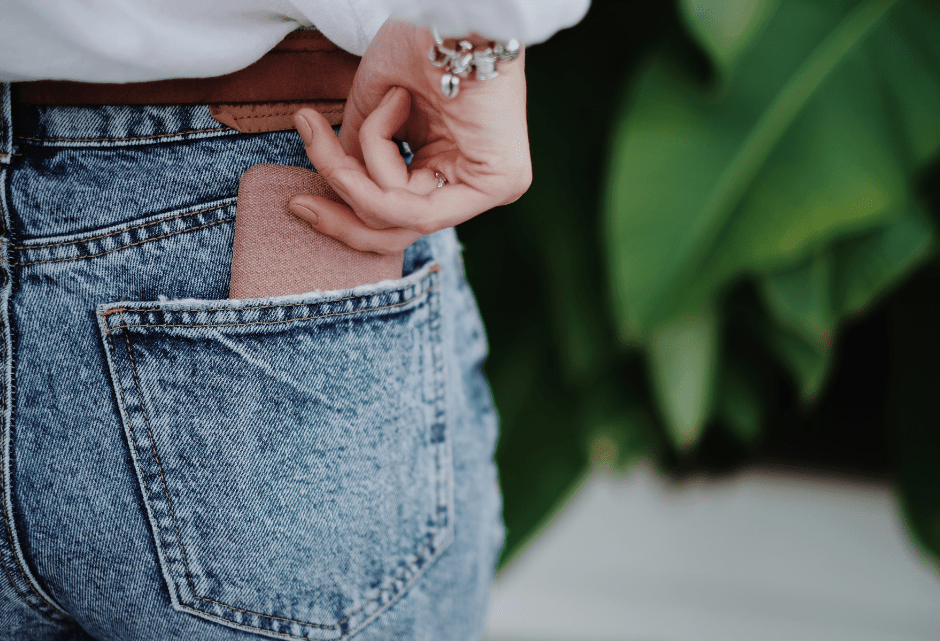
Believe it or not, it was the cell phone and its popularity in society that truly pushed pockets to become a more standard feature for women’s wear. Now, the movement to make pockets universally expected on every garment is gaining popularity quickly- “Thanks, it has Pockets!” has become the rallying cry of women’s fashion. Deep pockets can now be found in everything from pants to ball gowns, although denim jeans may still have a ways to go. It begs the question: if women had the agency to say no, would we have ever allowed pockets to leave our sides?

Vivian Orozco (Vixie) is a Latina tailor who has a passion for historical and multicultural clothing. She enjoys studying fashion and its historical and cultural evolution in the modern era. While pursuing a Bachelor’s degree in costume design, she discovered a passion for the clothing of the past, as well as missed opportunities in using silhouettes from around the world. In addition to costuming, Vixie is also a film maker, cosplayer, artist, content creator, and TTRPG enthusiast.
 ladyfairemagazine.com