
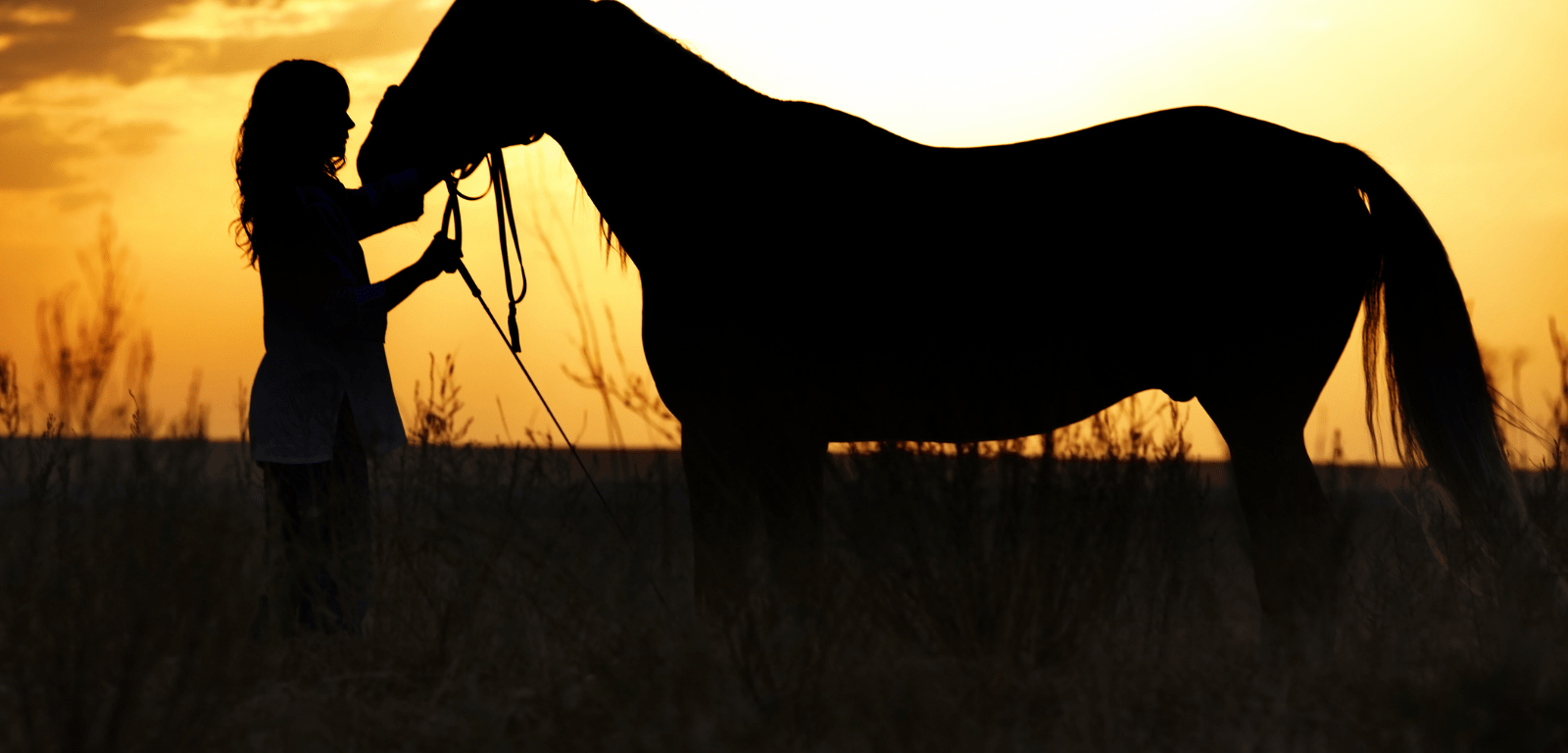
As we wrap International Women’s Month, LadyFaire invites you to meet women of past and present who use power both great and small, fierce and gentle, to effect change in the worlds in which they. In 2026, with our charged discourse around feminism and the very real possibility of female voter suppression, it’s a perfect time to gather courage and learn strategy from women who came before us, galloping on these powerful, beautiful equines.
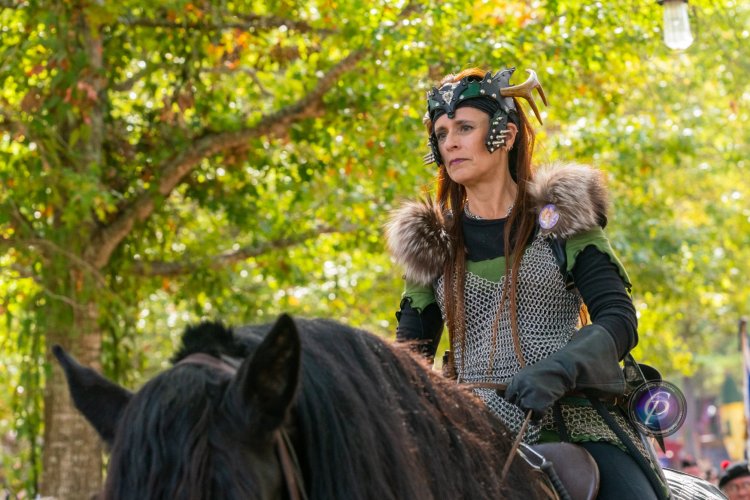
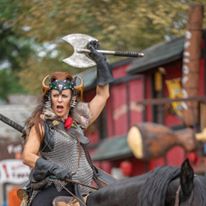
A sharp, loud trill from somewhere to your left pierces the raucous revelry in the tavern behind you, and carries into a defiant call: “A woman’s place is on a warhorse!” Electrified at the fierce power and rebellious anger against those who would remind women that their place should be a kitchen, a bedroom, or a bar serving drinks, you look for the voice’s owner as Renaissance Festival guests gather around you to watch the daily parade pass through the village. There, you spot her over the heads of the crowds. She looks tiny, and far away. As the distance closes, you see her: a warrior, a leather-clad Amazon, astride a huge horse.
As she passes, you watch her point and wave at a young girl with her parents standing next to you. The girl’s eyes glow with delight and awe at the special attention she receives from the warrior woman. You see her pull on her dad’s sleeve, and you hear her say, “I want to be her when I grow up.” Horse and rider move away and the Amazon repeats her call to battle, a bold challenge to you and the women around you. The call demands that you look at your place in life and ask hard questions. Are you fighting the right battles? Can you rise to be a warrior? What skills do you need? Where do you let people place you?
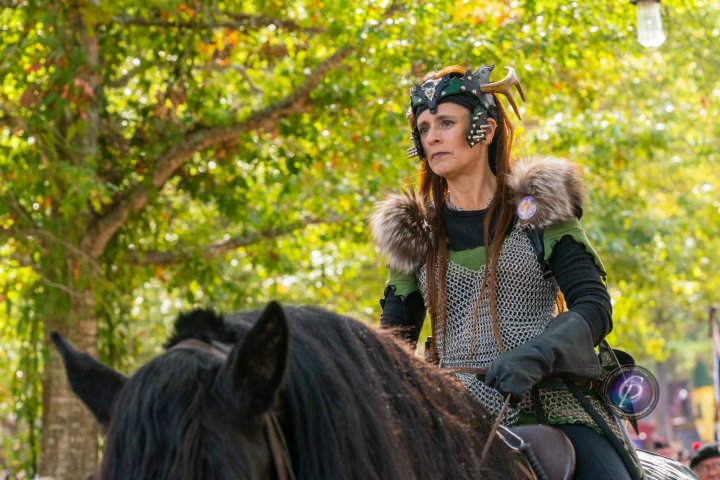
History records more than a few instances in which wars, women, and warhorses combined to produce the unique combination of a mounted woman warrior riding to victory. Winning horsemanship requires both horse and woman to form a unique duo for success and victory. Human and horse must work together to bring different sets of physical abilities, perceptions, and communications into a deep connection, because the first survival instinct generated in horses and most women is flight, not fight. As a team, the pair can push beyond fear to accost adversity with words, weapons, and will. They fight, overcome, win, and claim the place of their choosing.
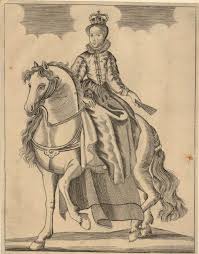
With a feathered helm, Katherine of Aragon, Queen of England, arrived to rally her troops wearing a full suit of armor astride a large white warhorse decorated with the protective barding and caparisons that displayed Katherine’s leadership as Governor of the Realm and Captain General of the Forces. Her status and the weight of armor allowed her to break from women’s traditional sidesaddle, reinforcing her role as a warrior queen. From the back of her horse, Katherine addressed England’s troops before they set out to battle the Scottish forces at Flodden, and after the defeat of the Scottish troops, she saved her husband a portion of the bloodied coat from the dead King James. The bond between a woman and her horse starts with leadership.
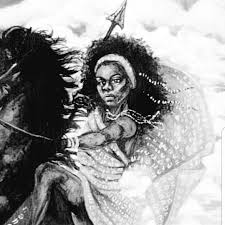
More than 900 years ago, Princess Yennega Dagomaba resided in a subregion of West Africa that today is called Northern Ghana. By 14, she bested her brother in horsemanship, javelin, spears, and bows. Her father gave her leadership of her own battalion, and she helped him push the enemy Malinkés out of the kingdom. As she grew older, she wanted her place with a husband and children at her side instead of a warrior’s life. He refused to release her to marry. With the help of one of the King’s horsemen, Yennega dressed as a man and escaped. She fought her way out of the pursuit sent by her father. Exhausted, she crossed a river to find Riale, the elephant hunter. Together they found love, and their children’s children became the founders of the Mossi Kingdom. To go, to do, to travel safely: riders learn to look between the horse’s ears to see their destination. A warrior must know the place to seek before moving ahead.
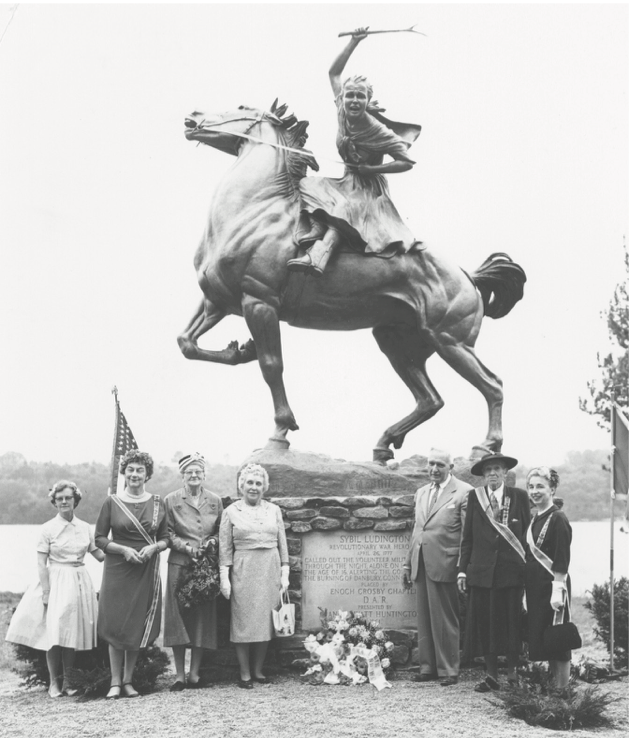
At 16, Sybil Ludington helped her father, an American Revolutionary War patriot, by riding all night to summon troops against the British redcoats. At one point on her ride, she drove off would-be robbers by beating them with a stick from her horse! She and her horse raced on and completed her mission. Records differ on how far she rode, but settle at between 20 and 40 miles. She gathered more than a hundred soldiers for her father. Without trust between both rider and horse, that dangerous dark ride in the rain would have been far less likely to succeed. She found her place on her horse, and later in her life owning and operating her own tavern.
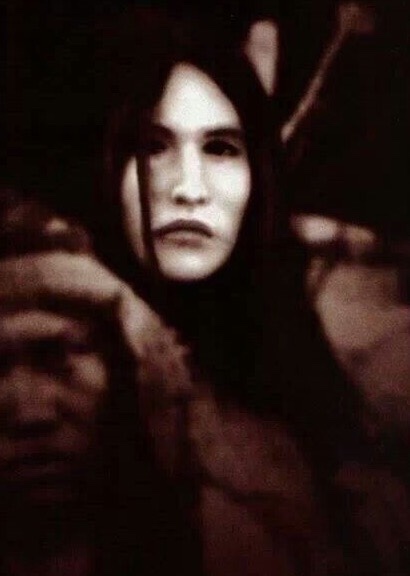
Called the “Shield of her People” by her older brother Chief Victorio, Lozen connected deeply with horses. Her birth name lost to time, she earned the Apache nickname Lozen, which means “expert horse thief”—perhaps because she stole horses from the wild herds, United States soldiers, or enemy tribes, but that remains unknown. She became an expert horse tamer, trainer, and rider. She combined those skills with a zeal for martial arts and a gift of the divine to become a fierce and determined woman warrior and shaman for her tribe, and later, Geronimo. Much of the building of the relationship between human and horse happens in near silence. Lozen would have examined and interpreted each movement the horse made before responding. Touch becomes key to working with the horse. Horses learn to respond to gentle and firm commands from hands and legs. A woman fighting in the modern realms must internalize how to read a room—to assess the things and people that are present, the things or people that are not there, and the overall mood—before she says a word. Stop, look, listen, and feel.
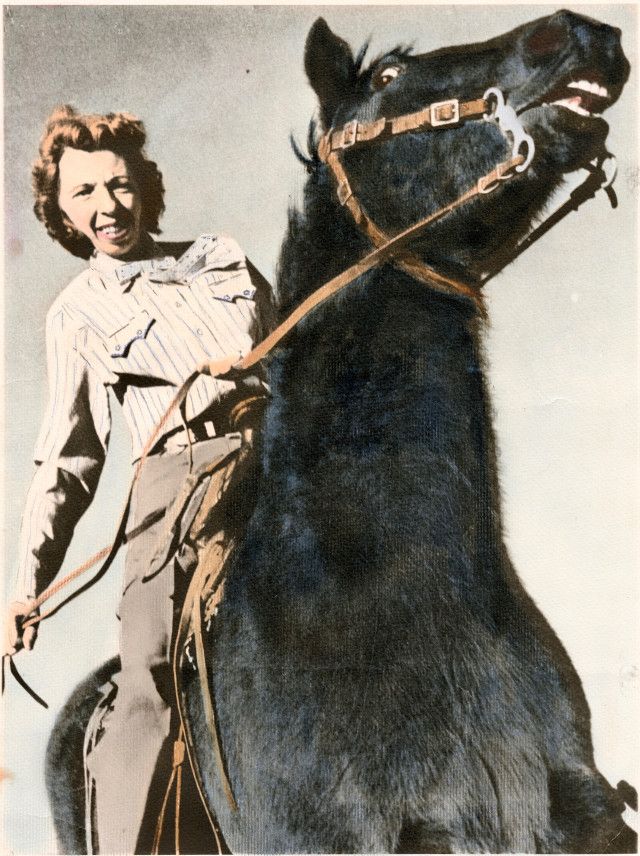
At 11, Velma Bronn Johnston suffered from polio that left her physically disfigured, in pain, and a target for school bullies. She proved that being able-bodied was not a requirement for success as a warrior woman in the equine world. Velma grew up loving horses, riding on her father’s ranch, discovering her warrior nature and purpose in 1950 when she saw blood dripping from the stock trailer in front of her car. She followed the trailer to discover captured wild mustangs heading to a slaughterhouse. Velma found that the blood was from a foal trampled by the older terrified horses. Then-current laws in Nevada allowed aircraft and land vehicles to herd, chase, and wound wild horses to round them up for slaughter. Velma worked with a passion for saving wild horses and earned her nickname “Wild Horse Annie” when she won changes in Nevada’s laws banning aircraft and land vehicles from capturing horses on state lands. Not satisfied, she persisted until all U.S. wild horses gained protection under the passage of the 1971 Wild Free-Roaming Horses and Burros Act. She modeled a method that all warrior women need in their weapons room: she worked, prevailed, and succeeded because she spoke with confidence, facts, and realism to carry her message.
Moving along with your friends, you continue to enjoy a day and the delights of being at the Renaissance Festival in perfect Texas weather. As you pass a bend, leaving the tavern and the jousting fields behind, a large black horse stands in a grassy area. You’re invited to step closer and stroke the horse’s neck. Petting the horse and taking deep breaths, a moment of melancholy fills your soul … all those lost days not being brave, not fighting against those who barred doors and built glass ceilings, letting others place you where you did not fit. A shadow falls over your face, and you step closer to Sampson’s side as he pulls you into a gentle embrace with his huge head. He shelters you, a moment, in a safe place; his great dark brown eyes remind you of the strength, courage, and love that you already possess.
Above all, horses read emotions. They mirror and reflect everything in front of them. If the rider is fearful, the horse is fearful. An angry trainer creates an angry, dangerous horse. Without leadership, the horse reverts to its preferences of food, escape, and play. When your silvered mirror, family, or friends tell lies, the horse speaks the truth. Only in truth and trust can the deep bonds form between any team. Warriors: find your horse, real or imagined; grip the reins of your life, look between the ears, and ride. Your place awaits you.
Angela Lorio has been successfully living in both the 21st and 16th centuries since the mid 90’s. She has been a successful and award-winning educator for close to 30 years, teaching science at ALPHA Academy during the week, and spent years educating the crowds at the Texas Renaissance Festival from the back of Sampson the Warhorse on the weekends. In her spare time, Angela writes, draws, sews, and follows her own Jedi path to light.
 ladyfairemagazine.com