
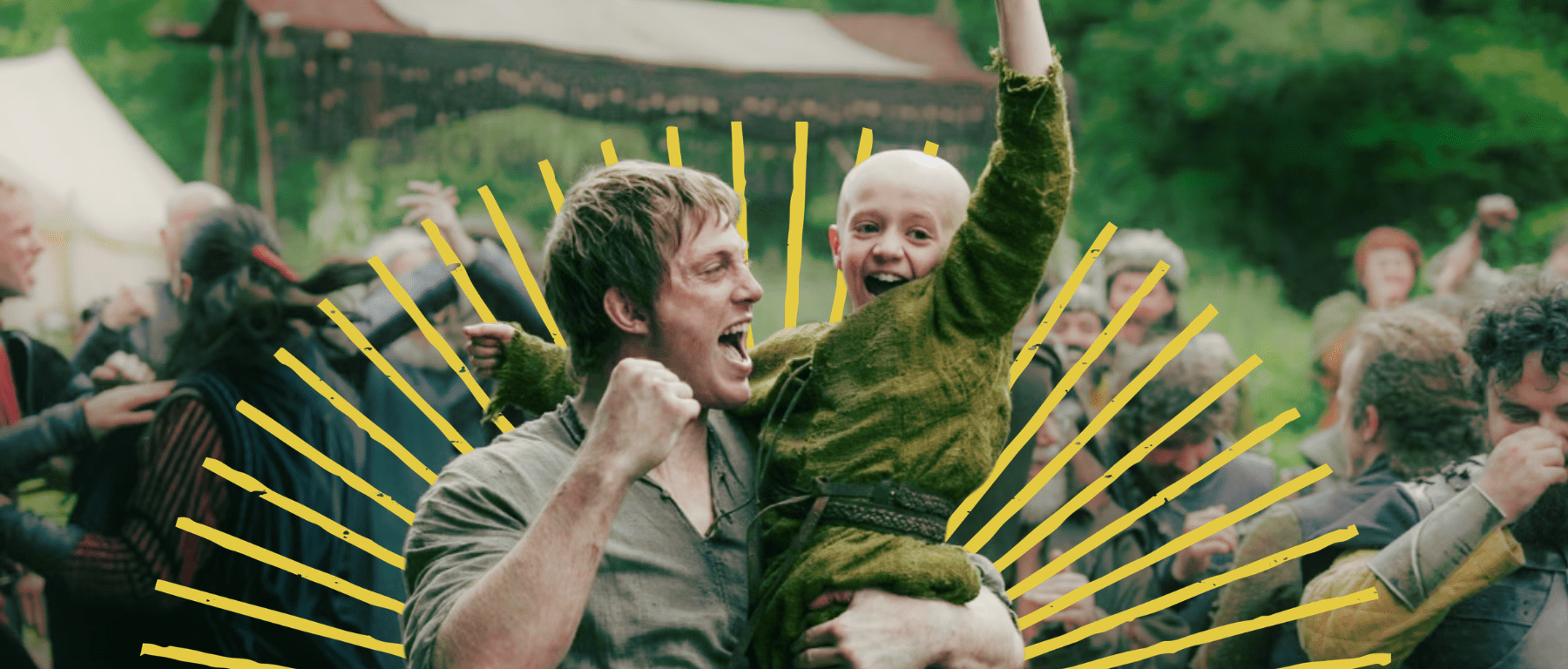
HBO’s A Knight of the Seven Kingdoms arrived on our screens under the weight of Westeros. But instead of dragons and dynasties, it offered something more humble— and strangely familiar.
If you’ve ever spent a weekend at a Renaissance faire, you may have felt it too: that uncanny sense that this show has been built like a faire.
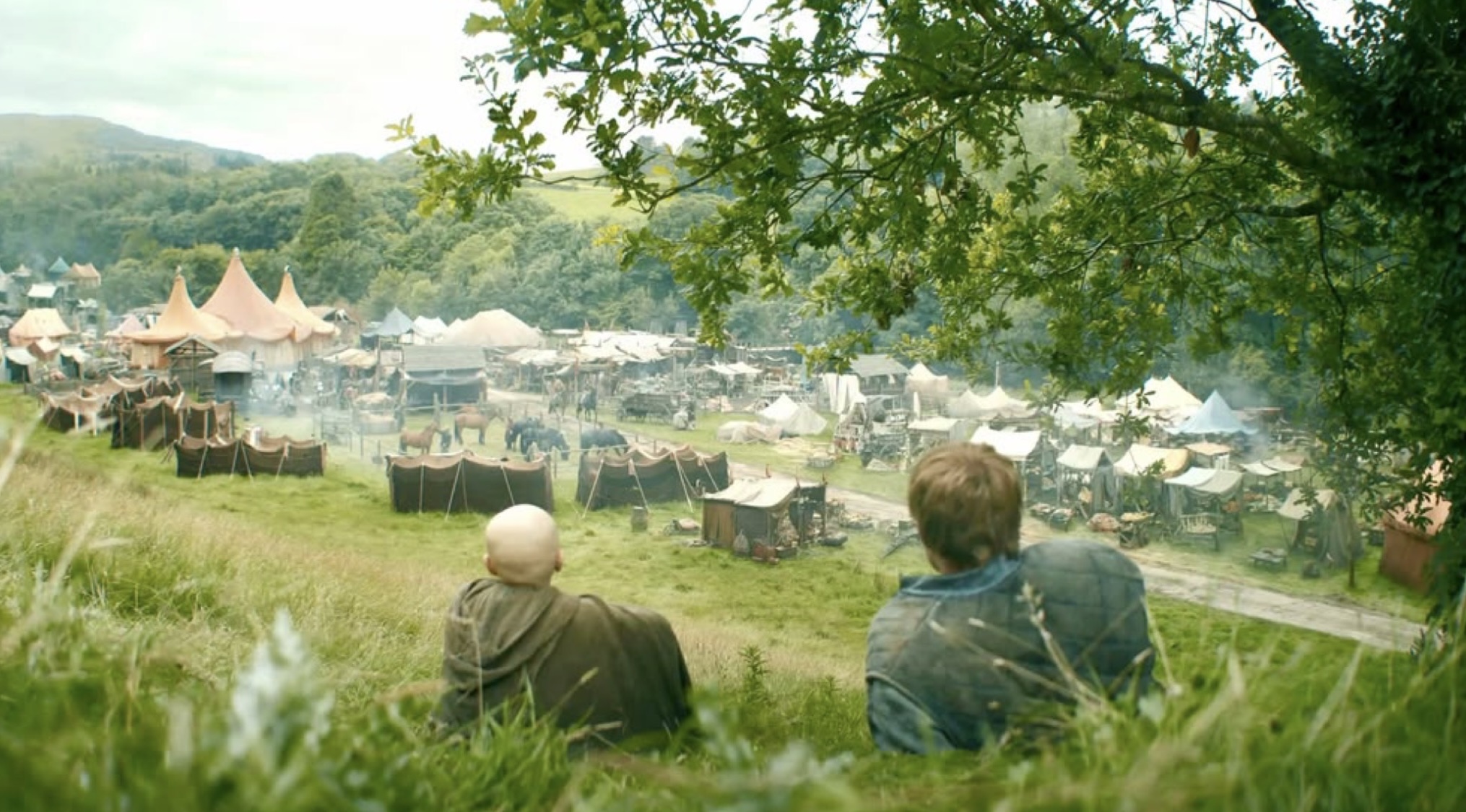
Not just in the obvious ways (the humble food, the dusty tents, the jousts), but in the deeper way a faire works. A handmade world stitched together by earnest performances and a community of people building something greater than themselves.
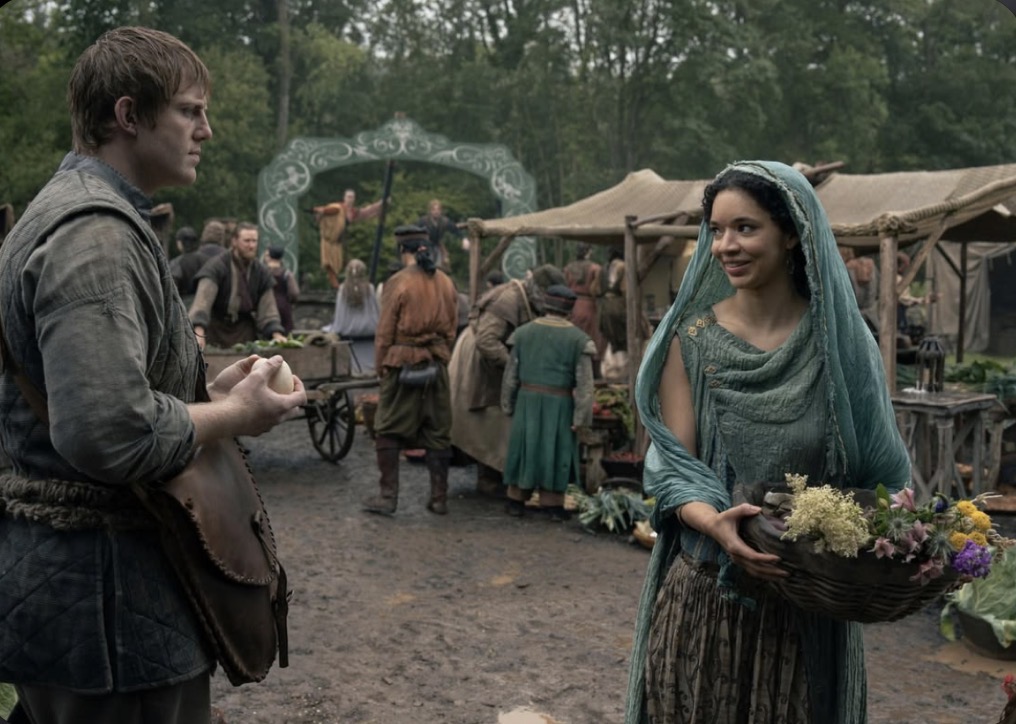
Unlike its older sibling Game of Thrones, this series doesn’t sprawl over continents or hinge on the fate of empires. Instead, it lives in a small world of muddy roads, cramped pavilions, and a tourney that resembles a country party more than a royal spectacle.
At a Renaissance faire, the magic isn’t in the size of the world. It’s in how close you are to it.
At a Renaissance faire, the magic isn’t in the size of the world. It’s in how close you are to it. You brush past it in the lanes. It’s in the small games: pulling your weight in a tug-of-war, dancing in a tent with your friends, crowding shoulder to shoulder to watch the joust.
This show is built on faire scale. Intimate, handmade, and powered by the people who choose to show up.
Ser Duncan the Tall: Patron Saint of the Modern Faire Knight
A Knight of the Seven Kingdoms has wrapped, but one question still lingers: Is Dunk really a knight?
Ser Duncan the Tall, Dunk to those who love him, doesn’t wear silk or carry the honor of a noble name. His knighthood hangs so loose on his shoulders that it begs the audience to question its legitimacy. It doesn’t help that the show keeps his status deliberately ambiguous. So, did Ser Arlan of Pennytree truly knight him, or did Dunk craft the title after his master’s death to chase a bigger life?
The show gives us clues but never certainty. When Lord Ashford’s steward challenges Dunk on the unlikelihood of his knighting, Dunk begins to sweat. Is it the grilling, his own self-doubt, or the fear of being unmasked as a pretender?
Doubt trails Dunk throughout the show, clinging to him like the dust he wears from miles of wandering. Even he questions it: “Do great knights live in the hedges and die by the side of a muddy road? I think not.”
And then there’s that moment on the field when Dunk freezes before knighting his friend, Raymun Fossoway. Is he protecting Raymun from the danger of the Trial of Seven, or simply unsure of the sacred words required to knight him?
Every moment is built to have us question Dunk’s legitimacy as much as he questions it himself. This is the heart of the show: What makes a true knight?
For decades, Renaissance faires have been quietly answering this question in dusty fields and lively taverns. Picture a volunteer hauling water in the summer heat, a costumer hand-stitching late into the night, or a storyteller giving a patron their first taste of history. These are faire people earning their knighthood through their actions, not titles.
Ser Duncan the Tall is no lord’s son or polished hero. He’s something more real. He’s awkward, earnest, and never quite fits in. But he keeps trying to do the right thing, even when it costs him.
Dunk is kin to every fighter who checks on their friends at daybreak, making sure everyone is fed, hydrated, and ready for the day. He’s there in the faire patron hand-crafting a tabard they can’t afford to buy, and a the cast member who stays late to make sure everyone has a ride home. They’re the ones who step up as knights, not because of a ceremony, but because they believe in the story they want to live.
Dunk’s knighthood is aspirational, not inherited. It is built act by act. Just like the faire knights, he creates his world through performance, community care, and the gritty sacrifices that keep the magic alive.
A knight protects, lifts others up, and lives by a code of honor. It’s a choice made every day.
The show isn’t asking whether Dunk has the paperwork. It’s asking whether the paperwork ever mattered in the first place.
The show isn’t asking whether Dunk has the paperwork. It’s asking whether the paperwork ever mattered in the first place. After all, “Don’t all knights take the same oath?”
In the end, A Knight of the Seven Kingdoms reminds us of something every faire knight already knows: knighthood isn’t about a title, a ceremony, or a piece of parchment. It’s a practice. A choice. A vow you live with your whole heart.
So the next time you see someone hand off a water bottle, stitch a torn tabard before call, or guide the new cast member through their first chaotic morning, remember: that’s knighthood. Not the kind sung by bards, but the kind built in real time, in real mud, by real people. And as A Knight of the Seven Kingdoms reminds us, that’s the kind that lasts long after the banners fall.
Now I’m curious. What’s your read? Did Ser Arlan knight Dunk, or did Dunk knight himself? Let us know.
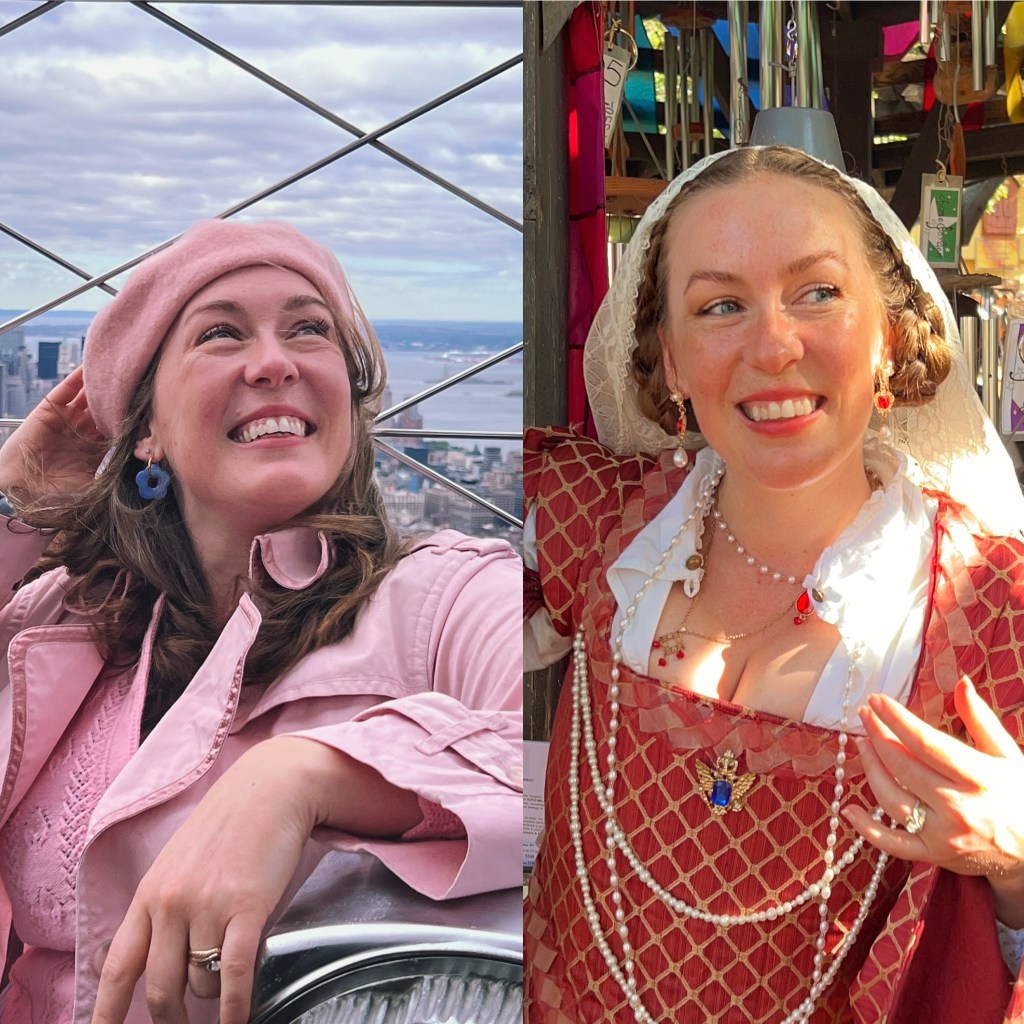
Natasha Johnstone is a short story writer and aspiring novelist, fusing history and folktales with the quiet emotional intensity of a whispered secret. Before she swapped her swords for sentences, she performed at Renaissance Faires as a street character and stage combatant. A trained historian and former middle school teacher, she brings curiosity, clarity, and emotional precision to her work. She also fences épée, which gives her plenty of opinions on sword fights in fiction. Her stories explore tenderness, resilience, and the small, handmade worlds people create to survive and to love.
 ladyfairemagazine.com