

Braids are seen every day. We love the beauty, the practicality, the culture of the braid, but may rarely consider the history of this intricate woven art. Known as ‘suka’ in Swahili, ‘la trenza’ in Spanish, and جديلة in Arabic, the braid is as varied as it is common. We invite you to explore the history of this beautiful hairstyle.
When it comes to cultural arguments, the art of braiding often comes to mind. Many people feel that braiding is universal, spanning many cultures across the globe. But what most folks miss is that braiding is a deeply rooted cultural practice with a rich history, as unique to a person’s cultural identity as our fingerprints are to our hands. From ancient Egypt to modern-day fashion runways, braids have served as symbols of identity, status, functionality, and tradition.


In Ancient Times: Beautiful Hair is Timeless
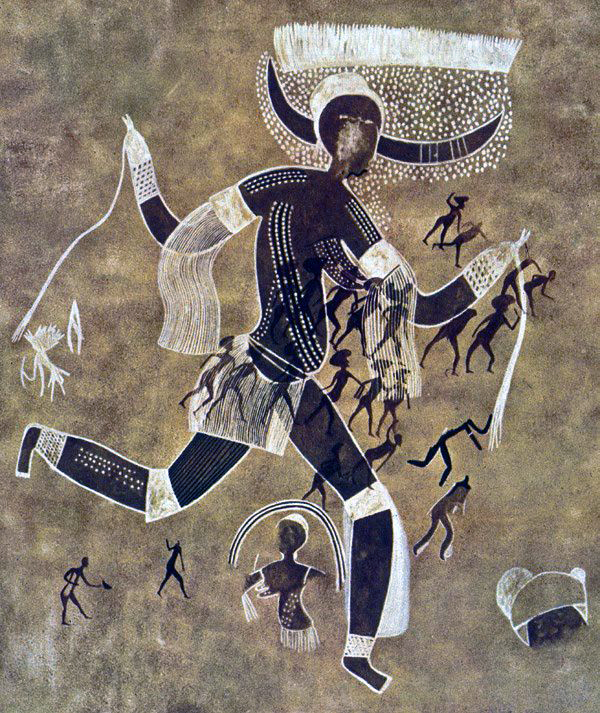
Hair braiding has some of its earliest roots in ancient Africa. Many experts believe cornrows are among the oldest braiding styles. In the 1950s, a French ethnologist and his team discovered a rock painting in the Sahara Desert depicting a woman with cornrows, dating back to around 3500 BCE, making it one of the earliest known representations of braiding.
For the Ancient Egyptians, braids had become an important part of cultural identity. They were not merely decorative; Egyptians believed braiding could ward off evil spirits and bring good fortune. Upper-class men and women wore elaborate braided styles adorned with beads, jewels, and gold thread. And of course, no discussion of Egyptian braids is complete without Cleopatra, whose iconic braided hairstyles influenced beauty trends for generations.
Elsewhere in the ancient world, braids were used to show wealth and status. In 500 BCE, Greek women styled their hair in intricate braids, often decorated with ribbons and jewels. The enduring “Greek braid,” a crown-like style, remains popular today, especially in historical reenactment and fantasy-inspired fashion.


Braids Reflect Culture and Religious Values
Hair braiding has also long been practiced throughout the Middle East, where styles often reflect cultural and religious values. In many regions, braids are associated with modesty and elegance, frequently worn beneath or alongside headscarves and veils, and sometimes adorned with beads or jewelry.
In ancient China, braiding was closely tied to social order and political identity. The “queue,” a hairstyle mandated during the Qing Dynasty, required men to shave the front of the head and braid the remaining hair into a long plait as a sign of loyalty to the emperor. In contrast, Mongol traditions viewed braiding as deeply spiritual, with hair considered a vessel of the soul. Hairstyles indicated marital status and social roles. Specifically, unmarried women wore multiple small braids, while married women typically wore two larger, decorated braids. Men, including warriors, also braided their hair for both symbolic and practical reasons, sometimes tucking them around their ears and under their helmets.
In India, braiding traditions date back thousands of years to the Indus Valley Civilization. In Vedic tradition, braids have long symbolized femininity, fertility, and marital status. A single braid often represents youth, while more elaborate braided styles or buns may signify marriage. Decorative practices,such as weaving jasmine flowers into the hair or using nourishing oils, remain central to many traditions. In South India, brides often wear long, elaborately decorated braided extensions known as jadas to symbolize prosperity and fertility.


Among many Native American tribes, braiding carries deep spiritual meaning. While traditions vary widely between nations, braids are often seen as expressions of identity, strength, and connection. In some Plains cultures, the three strands of a braid represent the body, mind, and spirit, and the act of braiding itself can be a meditative or ceremonial practice.
In Latin American cultures, braiding reflects a blend of Indigenous traditions and colonial influences. Intricate styles are often worn during ceremonies and celebrations, symbolizing cultural heritage and community ties.


African Braids: A Rich, Complex History
Of everywhere in the world, it is in Africa and throughout the African diaspora that braiding holds especially profound cultural significance. Styles such as cornrows and box braids are characterized by intricate, close-to-the-scalp techniques designed for coily and textured hair. These styles are not only visually striking but also deeply symbolic.
During the transatlantic slave trade, braiding took on additional layers of meaning. Enslaved Africans used cornrows as a way to preserve cultural identity under oppressive conditions. In some cases, braids were even used to map escape routes or conceal seeds and small tools for survival.
Throughout the diaspora, particularly in the Americas and the Caribbean, braided styles continued to evolve while remaining powerful symbols of identity and resistance. During the 20th century, movements such as the Black Power movement reclaimed natural hair and braids as expressions of pride and a rejection of Eurocentric beauty standards.
In many African cultures, braided styles have long communicated social information. Patterns and designs could indicate age, marital status, tribe, or rank. Braiding remains a social art form, often taking hours to complete and serving as a time for bonding, storytelling, and community connection.


European Braids: Loose and Decorative
In contrast, what are often referred to as “European braids”, such as French or Dutch braids, tend to be looser and simpler in structure, designed primarily for straight or fine hair. These styles are typically more functional or decorative than symbolic, though they have become staples in both everyday fashion and historical costuming.
The term “Viking braids” is commonly used today to describe hairstyles associated with Norse people of the 8th to 11th centuries. While popular media often portrays elaborate, rugged braided styles, historical evidence suggests something far more practical. Archaeological finds, including combs and grooming tools, indicate that Norse people took great care of their hair, but likely wore simpler braids, twists, or tied styles to keep hair manageable during travel and battle. Modern interpretations, especially in shows like Vikings, are fictional depictions.
Braids are far more than a matter of style. They are living threads of civilization, woven with meaning, identity, and tradition. Across continents and centuries, they have served as markers of culture, tools of survival, and expressions of beauty.
It is important to recognize that braiding practices around the world are shaped by environment, culture, and hair texture. African braiding styles, for example, are uniquely suited to curly, coiled hair and often function as protective styles, helping to reduce breakage and retain moisture. By tucking the ends of the hair away, styles like cornrows, twists, and box braids protect strands from environmental stress and daily manipulation.
Similarly, in India, the use of oils such as coconut or sesame plays an essential role in braiding traditions. These oils nourish the scalp, seal in moisture, and strengthen the hair, supporting both its health and its aesthetic beauty.
For modern wearers, whether stepping into the world of cosplay, reenactment, or everyday life, understanding the origins of these styles adds depth to their beauty and their meaning. Each braid carries a story, and by wearing them thoughtfully, we honor the hands and histories that shaped them.

Vivian Orozco (Vixie) is a Latina tailor who has a passion for historical and multicultural clothing. She enjoys studying fashion and its historical and cultural evolution in the modern era. While pursuing a Bachelor’s degree in costume design, she discovered a passion for the clothing of the past, as well as missed opportunities in using silhouettes from around the world. In addition to costuming, Vixie is also a film maker, cosplayer, artist, content creator, and TTRPG enthusiast.